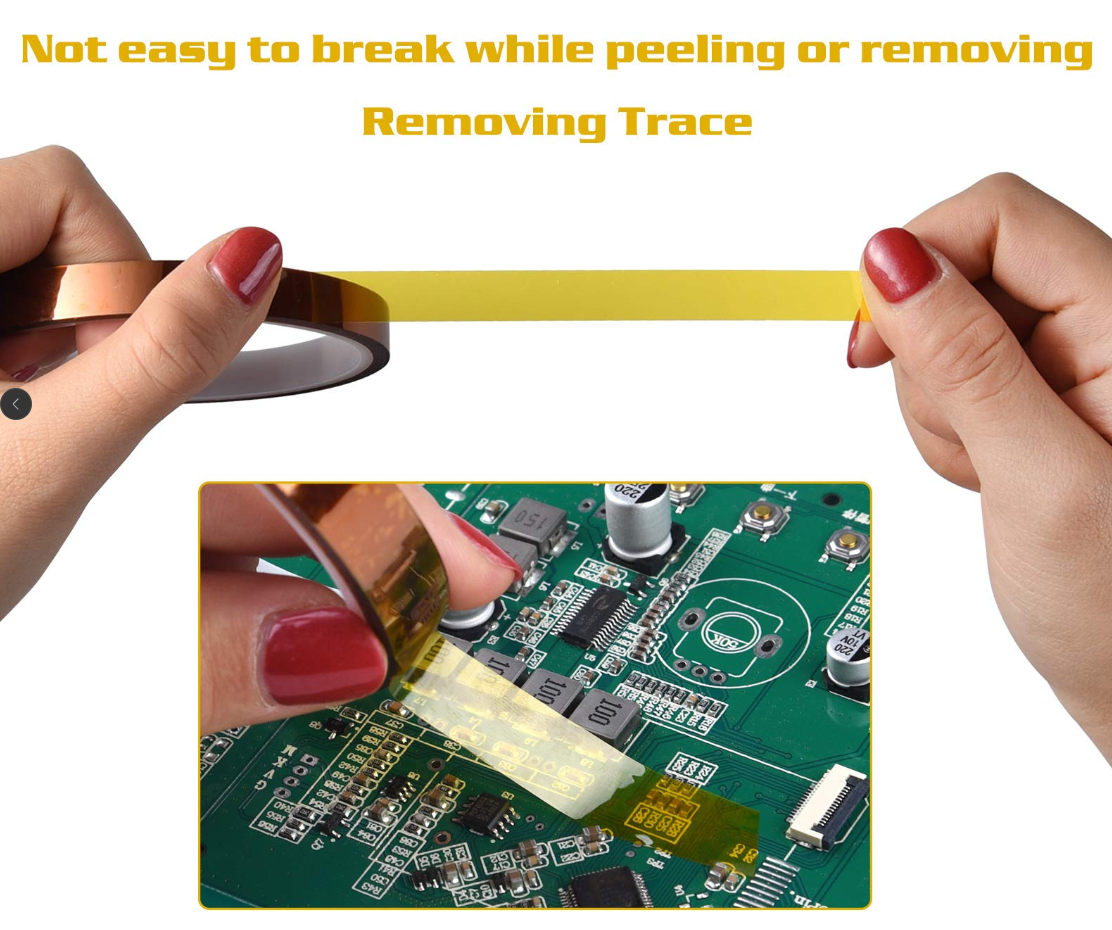
In manufacturing processes like SMT reflow soldering, powder coating, heat sealing and wiring harness insulation, regular adhesive tapes will soften, delaminate or melt once the temperature exceeds 80°C. Sticky residue left on workpieces after peeling causes contamination and reduces product yield. High temperature resistant tape is a special industrial adhesive material designed for masking, fixing and insulation under continuous heat and thermal cycling conditions. It is an essential consumable to help factories cut costs and improve production stability.
Many buyers and engineers make mistakes when purchasing heat resistant tape. They only focus on the temperature resistance index without checking material properties. As a result, the tape may tolerate high heat but fail to provide non-stick performance, leave rough masking edges or leave stubborn residue after removal. High temperature resistant tape is not a single product category. The three most widely used types are PTFE (Teflon) tape, PI polyimide (Kapton) tape and fiberglass silicone high temperature tape, each built for distinct working conditions.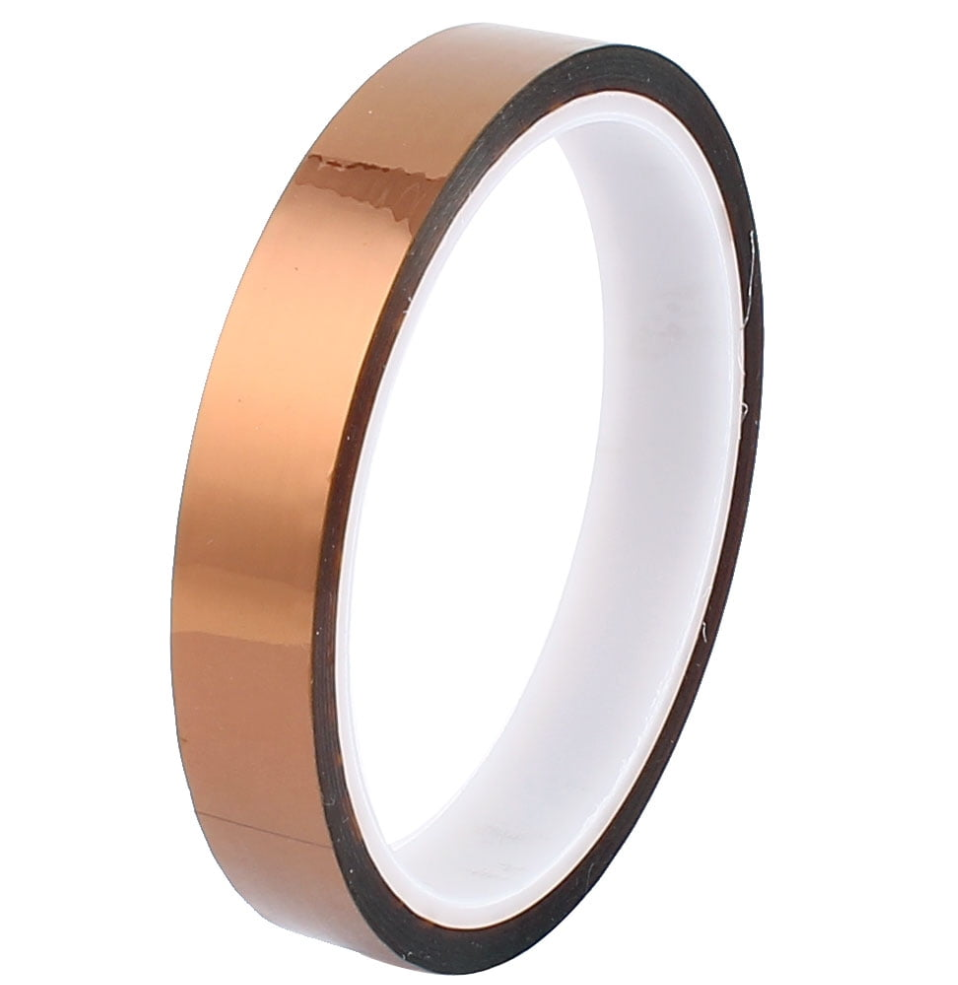
Base material: fiberglass fabric coated with PTFE, with high-temperature silicone adhesive. Continuous working temperature range: -70°C ~ 260°C, capable of withstanding higher peak temperature for short periods. Core advantages: low surface friction, non-stick property, resistance to strong acid, alkali and chemical corrosion, excellent release performance. Limitations: poorer electrical insulation compared with PI tape, not ideal for precision circuit masking and insulation. Typical applications: sealer heating bars, hot press plates, mold release, laminator rollers, food packaging heat sealing, anti-stick lining.
Base material: amber PI film with silicone adhesive. Continuous working temperature: 260°C, short-term resistance up to 300°C. Core advantages: ultra-thin, superior dielectric insulation, resistant to soldering heat, clean peel without residue after baking and easy for die-cutting into custom shapes. Limitations: no non-stick surface, not suitable for anti-stick demolding scenarios. Typical applications: SMT reflow masking, PCB gold finger protection, lithium battery manufacturing, electronic insulation, powder coating masking.
Base material: woven fiberglass cloth coated with silicone adhesive. Continuous working temperature: -40°C ~ 250°C. Core advantages: high tensile strength, tear-resistant, good abrasion resistance, flexible, conforms well to curved surfaces. Limitations: thicker than PI film tape, not suitable for ultra-fine masking. Typical applications: spray painting masking, oven shielding, pipeline wrapping, motor insulation, heavy-duty high-temperature binding.
Before placing orders, confirm these points to avoid mismatched materials:
A: Premium silicone adhesive heat resistant tape can be residue-free when used within its rated temperature. Overheating beyond its temperature limit will cause adhesive decomposition and residual glue.
A: Not recommended. PTFE tape lacks reliable insulation for precision electronic circuits. Kapton PI tape remains the standard choice for SMT and gold finger protection.