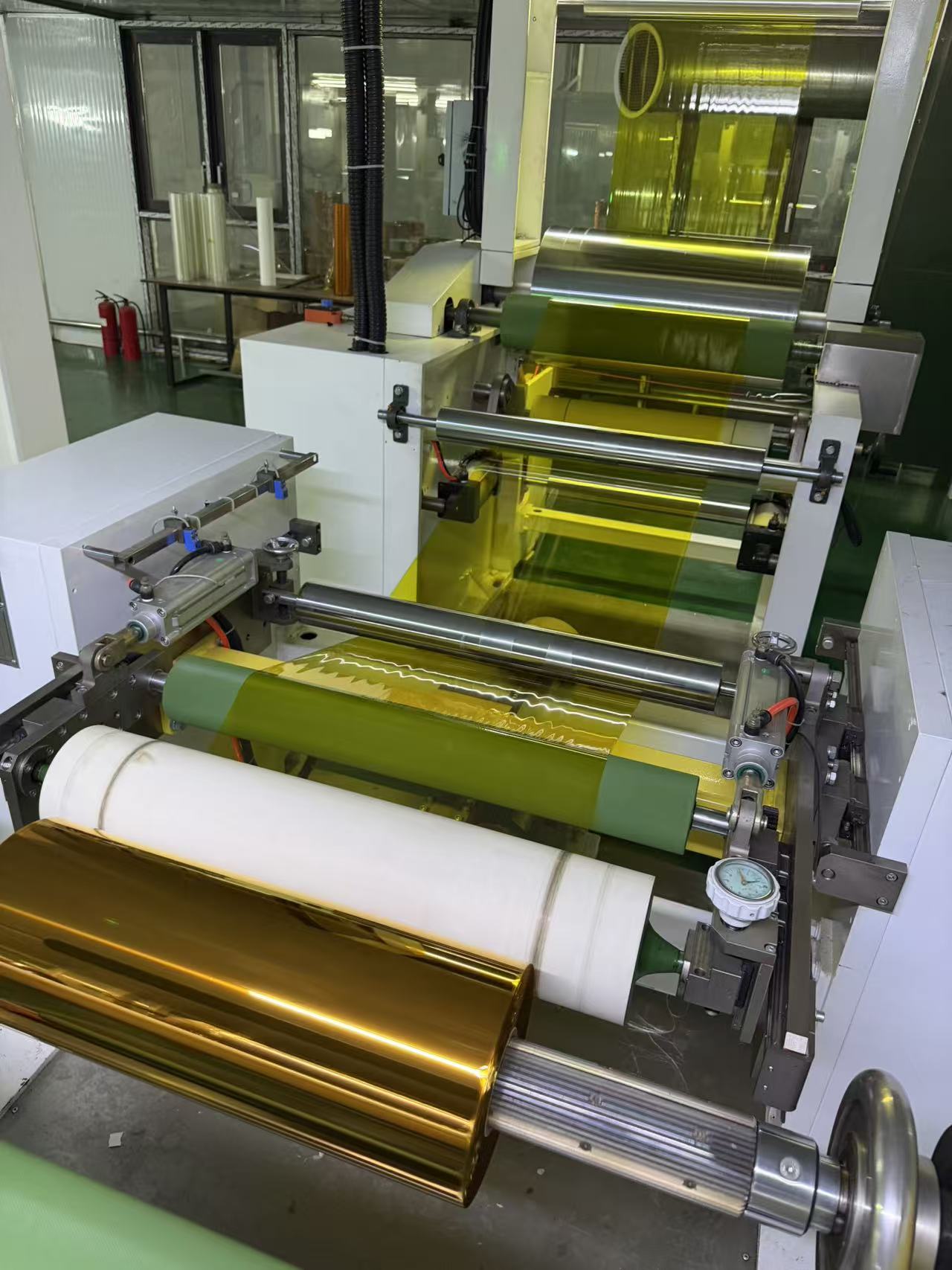
High temperature resistant tape is a widely used industrial adhesive material, valued for its excellent heat resistance, strong adhesion and chemical stability. It is extensively applied in electronics manufacturing, automotive industry, powder coating, welding masking and aerospace fields. Understanding the professional production process of high temperature tape helps clients recognize product quality, performance advantages and production standards. This article will introduce the full manufa
1. Raw Material Selection & Preparation
High-quality raw materials are the foundation of premium high temperature tape. Manufacturers strictly select core materials according to different temperature resistance grades and usage scenarios.
- Base material: Common options include polyimide (PI) film, glass cloth, PET film and silicone rubber. Polyimide film is the mainstream choice for ultra-high temperature working environments, while glass cloth based tape features better tensile strength. All base materials must pass heat resistance and tensile tests before entering production.
- Adhesive: Silicone adhesive is the most widely used formula for high temp tape, which maintains stable viscosity under high temperature. Acrylic adhesive is adopted for medium-temperature products with cost-effective performance. Raw adhesives need stirring, filtering and viscosity adjustment to ensure uniform texture.
- Auxiliary materials: Release liner, primer and functional additives are prepared in proportion to improve adhesion, anti-aging and anti-slip properties of the finished tape.
2. Base Material Surface Treatment
To enhance the bonding force between base film and adhesive, surface treatment is an essential step. The main treatments include corona treatment and primer coating.
Corona treatment uses high-frequency electricity to modify the surface molecular structure of the base material, increasing surface tension so that the adhesive can attach firmly without peeling off at high temperature. For products with extreme heat resistance requirements, a layer of special primer will be evenly coated on the base material surface and fully dried, further optimizing the adhesion effect.
3. Adhesive Coating Process
Coating is the core procedure that determines the thickness, uniformity and overall performance of high temperature tape. The production line adopts professional roll coating equipment for continuous operation.
The well-stirred adhesive is transferred to the coating roller, and evenly coated on the treated base material at a controlled speed. Workers and automatic sensors monitor the coating thickness in real time to avoid uneven glue, missing coating or excessive glue. Different products match different coating thickness standards to meet diverse adhesion demands.
4. Drying & Curing
After coating, the semi-finished products enter the multi-section drying oven for drying and curing, which directly affects the heat resistance and non-residue performance of the tape.
The oven sets gradient temperature. Volatile components in the adhesive are evaporated step by step at a constant speed. Then the adhesive is fully cured to form a stable adhesive layer. Strict temperature and time control can prevent glue overflow, residual glue after peeling and performance degradation under high temperature. After curing, the material is naturally cooled to room temperature for the next process.
5. Lamination with Release Liner
A layer of release liner is laminated on the adhesive surface of the cooled semi-finished tape. The release liner can protect the adhesive layer from dust, scratches and accidental adhesion during storage, transportation and use.
The lamination process requires neat fitting without wrinkles or bubbles. Common release liners are silicone coated paper and PET release film, which are chosen according to product grades and application needs.
6. Slitting & Rewinding
The wide roll of raw tape is cut into customized widths through high-precision slitting machines. According to customer requirements, the tape is divided into standard specifications or special sizes.
During slitting, the blade keeps sharp to ensure neat cutting edges without burrs or material tearing. After slitting, the tape is rewound into finished rolls with standard roll length and tight winding density, keeping the appearance smooth and regular.
7. Quality Inspection & Packaging
All finished products go through strict full inspection before delivery. The inspection items include appearance check, adhesion test, high temperature resistance test, peeling performance and size measurement.
Unqualified products will be eliminated directly. Qualified high temperature tape rolls are labeled, sealed and packaged with moisture-proof and dust-proof materials. Complete product information and specification labels are attached for customers to identify and use conveniently.
Conclusion
The production of high temperature resistant tape is a rigorous multi-step process involving raw material screening, surface treatment, coating, curing, slitting and quality testing. Every production link is closely linked to the final heat resistance, adhesion and service life of the product. Professional manufacturers follow standardized production procedures to deliver stable and reliable high temperature tape for various industrial scenarios. If you need durable high temperature adhesive tape, products made with standardized manufacturing processes are your ideal choice.