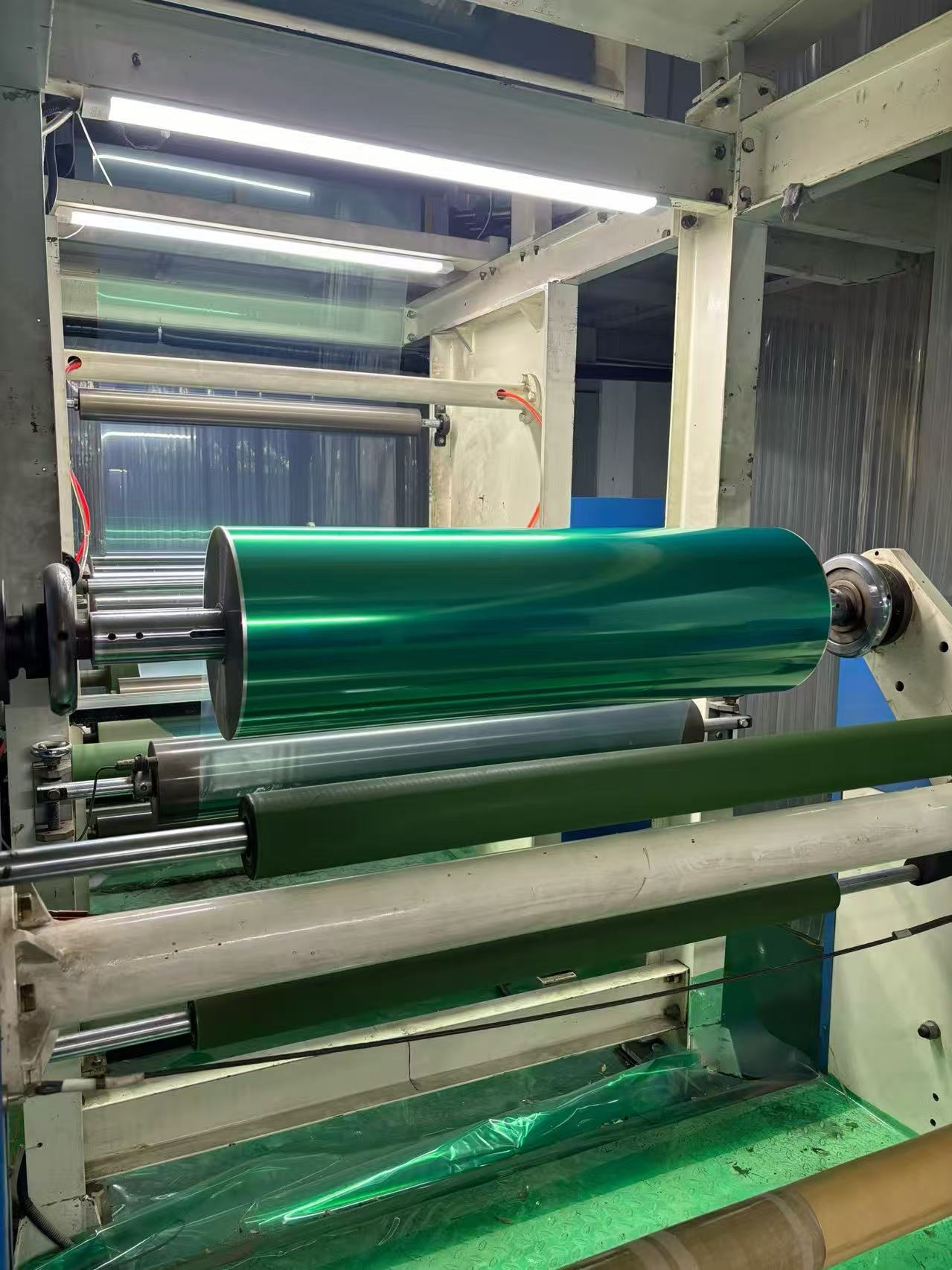
The core manufacturing process of high-temperature resistant adhesive tape (commonly using a PI + silicone system) is as follows: substrate preparation → adhesive preparation → coating and drying → lamination and curing → slitting and quality inspection → packaging and warehousing, with strict control over cleanliness and parameters throughout.
The core manufacturing process of high-temperature resistant adhesive tape (commonly using a PI + silicone system) is as follows: substrate preparation → adhesive preparation → coating and drying → lamination and curing → slitting and quality inspection → packaging and warehousing, with strict control over cleanliness and parameters throughout.
I. Substrate Preparation and Pretreatment
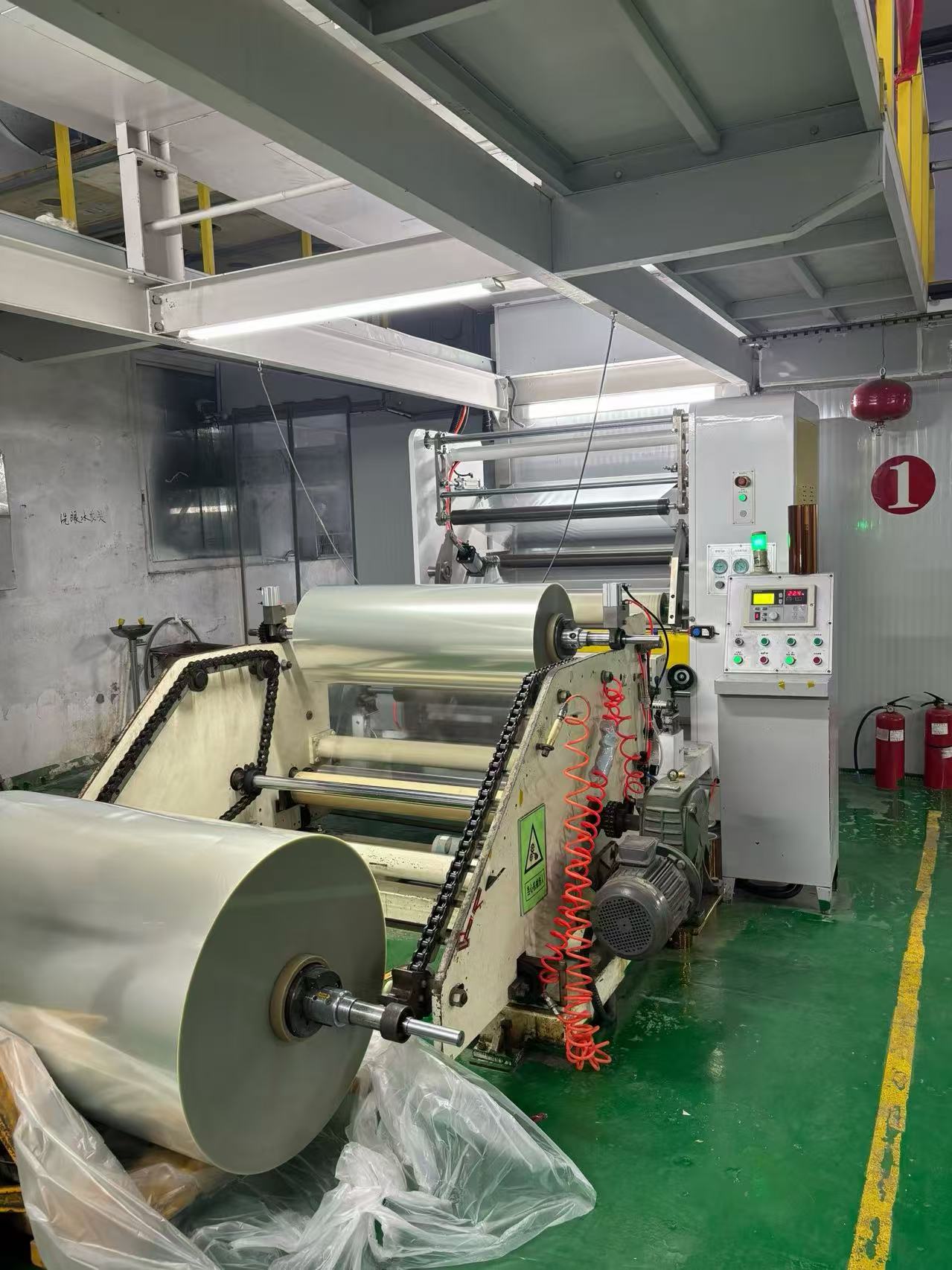
• Core Substrate: Polyimide (PI) film, typically 25–50 μm thick, with long-term temperature resistance up to 260℃; PET, etc., can also be used as alternatives.
• Pretreatment: Corona treatment/priming to improve adhesion, surface cleaning and dust removal; workshop cleanliness Class 1000 or higher to avoid particulate contamination.
II. Adhesive Preparation
• Mainstream Adhesive System: Organosilicon pressure-sensitive adhesive (high temperature resistant, low residue), mixed with crosslinking agent, curing agent, solvent, etc., and stirred evenly.
• Key Controls: Solid content, viscosity, and degree of crosslinking are precisely adjusted according to the formula to ensure stable coating and curing.
III. Coating and Drying
• Coating Method: Commonly used transfer coating (adhesive is first applied to a release film, then hot-pressed to the substrate), ensuring a smooth, bubble-free adhesive surface; adhesive layer thickness 10–30μm, error ≤±3%.
• Drying Process: 80℃→150℃ stepped baking for 5–10 minutes, allowing solvent to fully evaporate and the adhesive layer to initially cure.
• Environmental Requirements: Class 1000 cleanroom throughout the process, preventing foreign matter and bubbles.
IV. Lamination and Curing
• Lamination: Apply a silicone release film/paper to the adhesive surface to prevent adhesion.
• Curing: 40–60℃ constant temperature for 48–72 hours, allowing the adhesive layer to fully cross-link, improving cohesion and stability.
V. Slitting, Quality Inspection, and Packaging
• Slitting: Precisely slitting to specifications of 10–1000mm, with neat, burr-free edges.
• Quality Inspection: Test adhesion, temperature resistance, insulation, residual adhesive rate, etc., and reject defective products.
• Packaging: Seal in a clean environment, protect against moisture and static electricity, and affix specification labels before warehousing.